Helenium autumnale is our local native with yellow or bronze single daisy-like flowers on stout branched stems in late summer. The petals have distinct tooth-like indentations giving the common name, dog-toothed daisy. All sneezeweeds have three-lobed petals which distinguish them from Rudbeckia and other yellow coneflowers. In the fall, the flowers develop into brown, rust-colored fruit. Sneezeweed is a treat for cut flower arrangements and a must-have for the avid butterfly gardener.
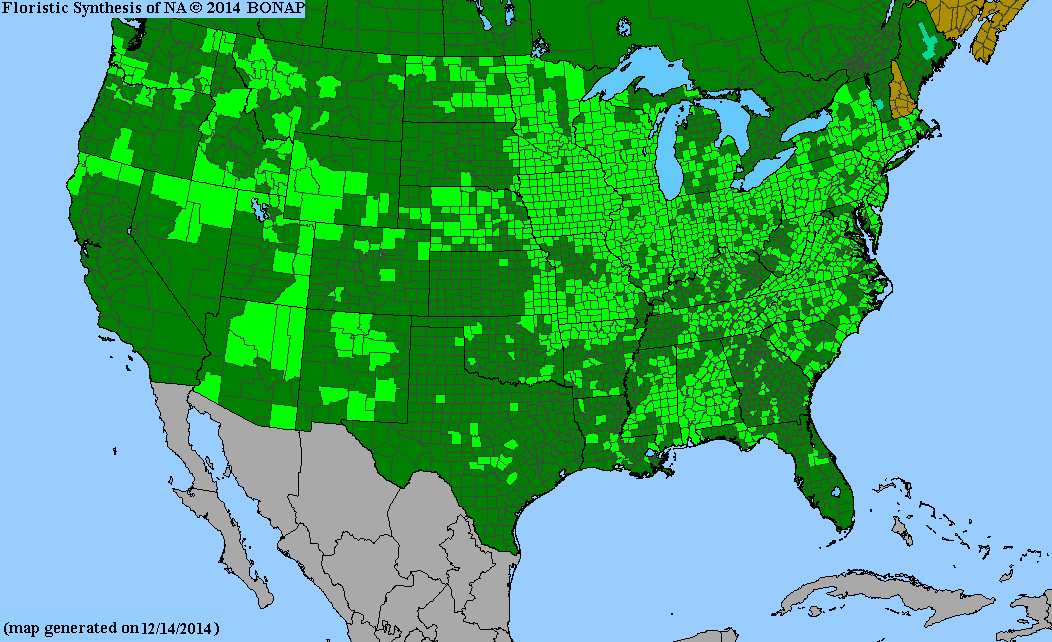
The true distinguishment Helenium autumnale enjoys is that it can be found along almost any moist embankments throughout the continental North America, a truly adaptable native that thrives in sunny, moist open areas along ponds, waterways, and meadows. While other native plants don’t like to sit in wet, heavy clay, sneezeweed finds this to be a preferable condition. In cultivation, sneezeweed can endure periods of drought in the garden after it has been established. To maximize flower potential and to tidy up its appearance, a late spring or early summer pinch is encouraged.
A favorite for pollinators, from beetles to flies to solitary bees to butterflies, Helenium autumnale is perfect to round out a planting design for wet areas such as retention basins, rain gardens, meadows, or the back of the border. Sneezeweed is avoided by deer and rabbits due to its bitter leaves that contain a toxic compound. The plant must be ingested in large quantities but it has been known to make livestock sick.